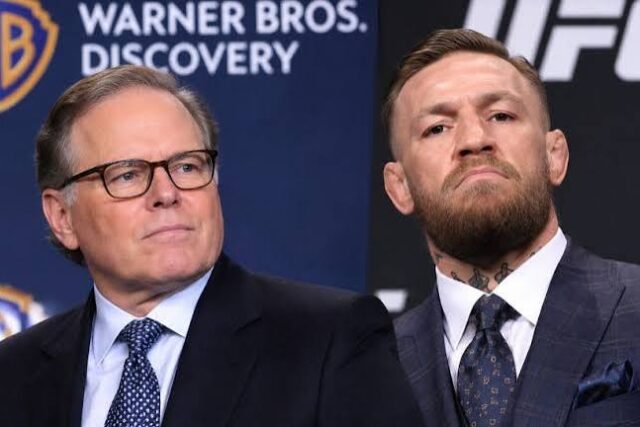
The names David Zaslav and Conor McGregor represent two very different forms of success. One is associated with corporate leadership, media strategy, and the business of entertainment, while the other built an international reputation through mixed martial arts, championship performances, and entrepreneurial ventures. At first glance, their careers may appear to have little in common, yet both demonstrate how public recognition can extend beyond a person’s original profession.
Despite occasional curiosity about their names appearing together in online searches, there is no established direct professional relationship, publicly confirmed business partnership, or documented personal connection between them in the information provided. Understanding their individual careers offers a clearer picture of why these two personalities attract attention and how their respective industries operate.
Personal Information at a Glance
The following table summarizes the basic professional information available about both individuals. It focuses on their publicly recognized roles rather than unverified personal details or speculative connections.
| Personal Information | David Zaslav | Conor McGregor |
|---|---|---|
| Full name | David Zaslav | Conor Anthony McGregor |
| Known for | Media executive and corporate leadership | Professional mixed martial artist and entrepreneur |
| Primary industry | Television, film, and media | Combat sports and business |
| Professional identity | Corporate executive | Athlete and businessman |
| Major association | Warner Bros. Discovery | Ultimate Fighting Championship (UFC) |
| Career focus | Media strategy and entertainment businesses | Mixed martial arts, competition, and commercial ventures |
| Public recognition | Leadership in a major entertainment company | International fame through professional fighting |
| Business interests | Media operations and corporate strategy | Consumer brands and other entrepreneurial activities |
| Established connection between them | No direct connection established in the supplied information | No direct connection established in the supplied information |
These details provide a useful starting point for understanding the difference between their careers. Although both are recognizable public figures, their professional responsibilities, audiences, and routes to success are fundamentally different.
Who Is David Zaslav?
David Zaslav is an American media executive best known for his leadership in the television and entertainment industries. His professional reputation developed through executive positions that involved managing media businesses, overseeing corporate strategy, and navigating changes in how audiences consume entertainment. He became particularly prominent through his association with Warner Bros. Discovery, a major media company operating across television networks, film, streaming, and related entertainment services.
Unlike entertainers who gain recognition through performances, Zaslav’s public profile comes primarily from corporate decisions and leadership responsibilities. His work belongs to a part of the entertainment industry that audiences do not always see directly but that can influence which programs are produced, how content is distributed, and how media companies compete. These responsibilities place him within the business side of global entertainment rather than the world of professional sports.
Zaslav’s career also illustrates the complexity of leading a large media organization during a period of substantial industry change. Traditional television businesses have faced pressure from streaming platforms, shifting advertising patterns, changing audience habits, and the high cost of producing premium content. Executives in this environment must consider profitability while making decisions about programming, distribution, technology, and investment. Such decisions can affect employees, creators, investors, and viewers.
His association with Warner Bros. Discovery made him a subject of public discussion because the company brought together significant entertainment assets and operated across several competitive markets. Corporate leadership at this level requires balancing creative ambitions with financial obligations, operational efficiency, and long-term planning. These responsibilities are very different from those of an athlete, whose professional success is generally measured through sporting performance, competition results, and individual achievements.
David Zaslav and His Role in Warner Bros. Discovery
Warner Bros. Discovery became an important part of Zaslav’s public identity because it combines businesses with long histories in film, television, news, and entertainment distribution. As president and chief executive officer, he was associated with decisions involving the direction of the organization, its financial priorities, and its position in a rapidly changing media marketplace. His responsibilities extended beyond a single television channel or production studio, covering a broad portfolio of businesses and brands.
Managing such an organization involves more than choosing which films or programs reach audiences. Corporate leadership can include evaluating costs, allocating resources, managing debt, developing distribution strategies, and deciding how existing intellectual property should be used. It also requires responding to competition from streaming services and technology companies. These pressures help explain why media executives often receive attention from investors and entertainment journalists, even when they do not appear on screen themselves.
The company’s corporate structure and leadership arrangements can change as part of mergers, reorganizations, and strategic reviews. However, claims about Zaslav’s departure or the precise outcome of a proposed transaction involving Warner Bros. Discovery and Paramount should be checked against current official announcements. A merger proposal, a signed agreement, a completed transaction, and a leadership transition are separate developments and should not be treated as interchangeable.
For readers searching for information about David Zaslav and Conor McGregor, this distinction matters because Zaslav’s professional background is rooted in corporate management rather than athletic promotion. His work has been connected to entertainment distribution and media ownership, whereas McGregor’s fame developed through fighting and related commercial activities. The fact that both operate within industries that attract international attention does not establish that they have worked together.
Who Is Conor McGregor?
Conor McGregor is an Irish professional mixed martial artist who became one of the most recognizable personalities in combat sports. Known for his striking ability, confident public persona, and highly publicized fights, he built an international following through his performances in the Ultimate Fighting Championship. His rise brought considerable attention to mixed martial arts and helped make him a widely discussed figure among sports fans, entertainment audiences, and business observers.
McGregor’s sporting identity is closely associated with competing at the highest levels of professional MMA. He achieved championship success in two UFC weight divisions, becoming particularly famous for his ability to attract attention before major events. His career illustrates how an athlete’s influence can extend beyond the competition itself. Interviews, promotional appearances, media coverage, and the anticipation surrounding major fights all contributed to his public profile.
His appeal has also extended into entrepreneurship. McGregor has pursued commercial ventures that connect his name with consumer products and lifestyle branding. One of his best-known business associations is Proper No. Twelve Irish whiskey, which helped introduce his name to consumers who might not regularly follow mixed martial arts. The brand’s ownership and commercial arrangements have evolved, so claims about its present ownership or McGregor’s current financial stake require up-to-date verification.
McGregor’s career demonstrates the relationship between athletic achievement, personal branding, and commercial opportunity. Professional fighters may earn income through fight contracts, performance-related payments, sponsorships, appearances, and business interests, depending on their individual agreements. However, not every public figure has the same financial arrangements, and headline estimates do not necessarily represent verified personal wealth. His sporting achievements and business activities should therefore be considered separately when evaluating his broader public profile.
Conor McGregor’s UFC Career and Global Recognition
McGregor’s rise in the UFC helped establish him as a major figure in modern mixed martial arts. His performances drew attention because of his striking style, ability to generate interest in upcoming contests, and success in high-profile championship bouts. Winning titles in two weight divisions strengthened his reputation and placed him among the sport’s most recognizable athletes. His career also showed how a fighter’s ability to connect with audiences can become an important part of professional sports promotion.
The UFC operates in a competitive entertainment environment where athletic performance and commercial presentation often work together. Fighters prepare for demanding contests, while promoters organize events, negotiate agreements, and build public interest. McGregor became especially effective at attracting media attention, making his appearances and interviews part of the broader conversation surrounding major fights. This visibility helped him reach audiences beyond traditional MMA fans, including people interested in celebrity culture and sports business.
Nevertheless, a fighter’s public visibility should not be confused with uninterrupted competitive activity. Professional sports careers include periods of competition, recovery, negotiation, and time away from events. Announcements about upcoming fights, withdrawals, returns, or retirement plans can change, making current information important when discussing an athlete’s status. Historical championship achievements remain part of a career record, but they do not automatically establish present activity.
McGregor’s sporting background also differs significantly from Zaslav’s corporate responsibilities. A UFC champion is recognized through competition and athletic accomplishments, while a media executive is assessed in relation to organizational leadership and business decisions. Both professions can involve intense public scrutiny, but the standards by which their work is evaluated are not the same. This difference is central to understanding why their names represent distinct professional worlds.
David Zaslav and Conor McGregor: Is There a Connection?
The main question behind the keyword “david zaslav and conor mcgregor” is whether the two men share a direct relationship. Based on the information provided, there is no established professional partnership, confirmed business deal, or publicly documented personal relationship connecting them. Their names may be discussed together in a search query, but a shared search term is not evidence that two people have met, collaborated, or participated in the same business venture.
Their career paths offer a straightforward explanation for this lack of an established connection. Zaslav is known for executive leadership in media and entertainment, while McGregor is known for his achievements in MMA and his entrepreneurial activities. Their professional responsibilities are centered on different types of organizations, different audiences, and different measures of success. Although the entertainment and sports industries sometimes overlap, that general possibility does not prove a specific relationship between two individuals.
For example, a media company might broadcast sporting events, purchase distribution rights, produce documentaries about athletes, or negotiate promotional agreements. A fighter might appear in entertainment programming or participate in a documentary produced by a media organization. Such arrangements are common possibilities across the wider industry, but they cannot be used to claim that Zaslav and McGregor personally worked together without reliable documentation.
It is therefore more accurate to describe the two as prominent figures in separate professional fields than to suggest a connection that has not been established. If credible reporting or an official announcement later documents a direct collaboration, that information could change the picture. Until then, their individual careers provide the strongest factual basis for discussing them together.
How Their Industries Differ
The media business and professional mixed martial arts may both attract large audiences, but they operate through different structures. A media executive such as Zaslav works with corporate planning, programming portfolios, distribution arrangements, budgets, and organizational performance. Decisions can affect multiple divisions and may involve long-term commitments. Results are not always immediate, and evaluating success often requires considering financial performance, audience engagement, market conditions, and strategic objectives together.
Professional MMA, by contrast, centers on athletes preparing for scheduled contests under established competition rules. Fighters train to develop physical skills, tactical awareness, conditioning, and the ability to perform under pressure. Their careers may depend on competitive results, contracts, health and recovery, promotional opportunities, and audience demand. Although athletes also make business decisions, their primary public identity is often tied to performances inside the competitive arena.
The two industries nevertheless share some broad characteristics. Both rely on audiences, public attention, marketing, and the ability to maintain relevance in a crowded marketplace. Media organizations compete for viewers and subscribers, while combat sports promotions compete for fan interest and event purchases. Public figures in both environments may also develop personal brands that influence commercial opportunities beyond their core activities.
These similarities are best understood as industry-level observations rather than proof of a personal connection. A media executive and a professional fighter can face comparable questions about reputation, market demand, and commercial value without having a working relationship. Their different career paths provide an interesting comparison precisely because they demonstrate how public recognition can emerge through very different kinds of professional achievement.
Business Ventures and Commercial Influence
Zaslav’s professional influence has primarily been associated with managing large media operations. In that environment, commercial strategy involves decisions about content libraries, production investments, distribution agreements, advertising revenue, subscriptions, and organizational costs. The value of a media business can depend on both the popularity of its content and the efficiency with which it reaches audiences. Corporate leaders must consider immediate financial pressures while deciding how to position a company for future competition.
McGregor’s business activities illustrate another approach to commercial influence. Rather than managing an entertainment conglomerate as his principal public role, he has used the recognition associated with his sporting career to pursue consumer-facing ventures. Products connected with a well-known athlete can benefit from existing public awareness, media coverage, and fan loyalty. However, brand success also depends on product quality, distribution, consumer demand, competition, and the details of the commercial agreements involved.
The financial scale of a corporate executive’s responsibilities should not be directly compared with the revenue generated by an athlete’s business venture without examining what each figure represents. A media company’s annual revenue, an athlete’s reported endorsement earnings, a brand’s sale price, and an individual’s net worth are different financial measures. Confusing them can produce misleading comparisons and exaggerated conclusions about wealth or influence.
For that reason, discussions of both men should distinguish confirmed professional roles from estimates and speculation. Their careers provide examples of different commercial models: one based on corporate leadership and media operations, and another based on athletic recognition and entrepreneurship. There is no need to invent a shared investment or business deal to make that comparison meaningful.
Public Image, Media Attention, and Personal Branding
Public image plays an important role in both careers, although it serves different purposes. For Zaslav, media attention often centers on corporate announcements, executive decisions, organizational performance, and the future direction of entertainment businesses. His public reputation is closely tied to his responsibilities within the companies he leads or has led. Business reporting may examine these decisions through financial results, market reactions, programming strategies, and their effects on employees and audiences.
McGregor’s public image developed through a more personal and performance-driven form of visibility. His fighting achievements, interviews, promotional appearances, and outspoken public persona have all contributed to his recognition. In professional sports, attention can help create interest in a contest, attract sponsors, and build a recognizable identity. Yet public attention can also bring scrutiny, and an athlete’s reputation may be shaped by events both inside and outside the sporting arena.
Their experiences demonstrate that fame is not a single, uniform phenomenon. A corporate executive may be well known among investors, industry professionals, and entertainment audiences without having the same kind of direct fan relationship as a championship athlete. Conversely, an athlete may have a strong consumer brand while having little involvement in the strategic management of a major media company.
The comparison also highlights why online searches sometimes group people who do not have an obvious connection. Search engines make it easy to explore combinations of names, industries, and public topics. Those combinations can generate curiosity without reflecting an actual partnership or shared history. Responsible writing should separate the reason a search phrase attracts attention from the evidence available about the people named in it.
Why People Search for David Zaslav and Conor McGregor Together
There are several possible reasons someone might search for these names together, but none should be presented as the confirmed explanation without evidence. Both men are internationally recognizable in their respective fields, and both have connections to commercial entertainment in a broad sense. One is associated with the management of media businesses, while the other has built a career that combines professional competition with public promotion and entrepreneurial activity.
Another possible source of curiosity is the relationship between sports and media. Sporting events are distributed through television, streaming platforms, news coverage, and digital content. Media organizations may also produce athlete profiles, interviews, documentaries, and sports-related programming. These connections between industries can encourage readers to explore whether particular executives and athletes have worked together, even when no specific relationship has been documented.
Search behavior alone, however, cannot establish the existence of a meeting, partnership, contract, or personal association. Names may appear in related searches because of broad topics, trending stories, algorithmic suggestions, or a reader’s own research interests. Without reliable reporting, official statements, or verifiable records, it would be misleading to attribute a specific event or commercial arrangement to these two individuals.
The most useful answer is therefore a clear distinction between general industry overlap and a direct personal or professional relationship. Sports and media frequently intersect, but the information available here does not establish a direct connection between Zaslav and McGregor. Readers looking into the topic should focus on confirmed career details and treat unsupported claims with caution.
What Their Careers Reveal About Modern Success
The careers of these two public figures show that professional success can take different forms. Zaslav’s work represents the organizational side of entertainment, where leadership involves managing complex operations, navigating market changes, and making decisions that affect multiple business divisions. His professional identity developed through executive responsibilities rather than public performances. This path requires an understanding of corporate strategy, financial priorities, organizational management, and the changing expectations of media audiences.
McGregor’s career represents a more visible route built around athletic achievement and individual recognition. Professional fighting requires extensive preparation, technical development, discipline, and the ability to perform in demanding competitive conditions. His commercial activities also show how a well-known athlete can pursue opportunities beyond the sport itself. Nevertheless, sporting success and business success are separate achievements, each requiring different skills and carrying different risks.
Both careers also demonstrate the importance of adapting to changing circumstances. Media organizations must respond to new technologies, changing viewing habits, and evolving business models. Athletes must navigate competitive demands, career longevity, public expectations, and commercial opportunities. In both settings, recognition can open doors, but long-term results depend on decisions, circumstances, and the ability to respond to new challenges.
Ultimately, their careers are worth comparing because they illustrate different relationships between public attention and professional influence. Zaslav’s influence is associated with corporate leadership, while McGregor’s is associated with sport and entrepreneurship. Their stories can be examined side by side without suggesting that they share a documented personal relationship or business partnership.
Conclusion
David Zaslav and Conor McGregor are prominent figures whose careers developed in very different professional environments. Zaslav is associated with media leadership and the business of entertainment, while McGregor rose to international recognition through mixed martial arts and expanded his public profile through entrepreneurial ventures. Each has a distinct professional identity, audience, and route to commercial influence.
The central takeaway is that no direct professional partnership, business deal, or publicly established personal relationship between them is documented in the information provided. Their names can be discussed together as part of a comparison between media leadership and combat sports, but that comparison should not be mistaken for evidence of a shared history. Understanding their individual achievements offers a more accurate and useful explanation than relying on speculation.
Frequently Asked Questions
1. Who is David Zaslav?
David Zaslav is an American media executive known for his leadership in the entertainment industry and his association with Warner Bros. Discovery.
2. Who is Conor McGregor?
Conor McGregor is an Irish professional mixed martial artist, former UFC champion in two weight divisions, and entrepreneur.
3. Are David Zaslav and Conor McGregor business partners?
No direct business partnership between them is established in the information provided.
4. Have David Zaslav and Conor McGregor worked together?
There is no verified information here confirming that they have worked together on a project, event, or commercial venture.
5. What industries are they associated with?
Zaslav is associated with media, television, film, and corporate leadership. McGregor is associated with mixed martial arts, sports promotion, and entrepreneurship.
6. Why are their names searched together?
The reason is not confirmed. Their prominence and the broad relationship between sports and entertainment may generate curiosity, but a shared search phrase does not prove a direct connection.
7. What is the main difference between their careers?
Zaslav’s career centers on executive management and media strategy, while McGregor’s career centers on athletic competition and business ventures connected to his public profile.


MOST COMMENTED
Celebrity
Lady Gaga and David Tepper: The Truth Behind Their Connection
Net Worth
Abella Danger Net Worth: Earnings, Career, and Wealth in 2026
Celebrity
Jessica Chastain and Mike Krieger: Are They Connected?
Celebrity
Bill Ackman and Tiger Woods: Wealth, Careers, and Influence
Celebrity
Derek Jeter and Gail Boudreaux: Two Leaders, Two Remarkable Journeys
Celebrity
Jaqui Bonet Rice: Career, Family, and Business Journey
Celebrity
Jake Stormoen Wife: Is the Actor Married in 2026?