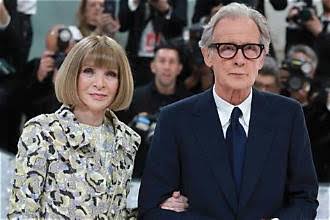
Public figures often appear together in online searches, even when their careers, personal lives, and professional interests have little in common. The search term “tom kennedy and anna wintour” is one example of how the internet can bring together two recognizable names from entirely different areas of American culture. One was a celebrated television host who entertained audiences for decades, while the other became one of the most influential figures in international fashion publishing.
At first glance, comparing these personalities might seem unusual. Tom Kennedy built his reputation through television game shows and a long career in entertainment. Anna Wintour, meanwhile, earned recognition through her editorial leadership, fashion expertise, and influence over magazine publishing. Although both achieved public prominence, their professional journeys followed separate paths. Understanding their backgrounds helps explain why the comparison is more about two individual biographies than a shared story.
Personal Information About Tom Kennedy and Anna Wintour
The most useful way to understand these two public figures is to examine their basic biographical information. Their birth years, professional fields, and personal histories immediately reveal how different their lives were. Tom Kennedy belonged to an earlier generation of American television personalities, becoming familiar to viewers through popular game shows. Anna Wintour emerged in a different media environment, building a career in fashion journalism before becoming a powerful editorial leader.
Although both names are associated with American entertainment and media, they occupied different professional spaces. Kennedy’s work centered on presenting television programs and connecting with audiences through entertainment. Wintour’s influence developed through editorial decisions, magazine strategy, and fashion industry relationships. Their biographies provide context for understanding their achievements without suggesting a personal or professional relationship that available information does not establish.
| Personal Information | Tom Kennedy | Anna Wintour |
|---|---|---|
| Full name | James Edward Narz, professionally known as Tom Kennedy | Anna Wintour |
| Birth year | 1927 | 1949 |
| Nationality | American | British-American |
| Main profession | Television host and entertainer | Journalist and fashion editor |
| Known for | You Don’t Say! and Split Second | Leadership at Vogue and Condé Nast |
| Industry | Television and entertainment | Fashion journalism and publishing |
| Personal life | Married to Betty Gevedon for nearly six decades | Formerly married to David Shaffer and later associated with Shelby Bryan |
| Life status | Died in 2020, aged 93 | Living and active in the fashion industry as of the information provided |
Note: The table summarizes the supplied biographical information. Professional titles and personal circumstances can change over time, so current positions should be distinguished from earlier career milestones.
Who Was Tom Kennedy?
Tom Kennedy was an American television host whose career became closely associated with the golden age of television game shows. Born James Edward Narz in 1927, he eventually became known to audiences by his professional name. His relaxed presentation style and experience in broadcasting helped him establish a lasting place in American entertainment. During a period when television was becoming an increasingly important part of everyday family life, presenters like Kennedy helped make game shows a familiar and enjoyable form of programming.
His career demonstrated the importance of personality and communication in television entertainment. Rather than relying on dramatic performances or celebrity appearances, Kennedy’s work involved guiding contestants through games, explaining challenges, and keeping viewers engaged. He became particularly associated with programs such as You Don’t Say! and Split Second. These shows helped define his public identity and introduced his hosting style to audiences across different generations.
Tom Kennedy’s Television Career and Popular Game Shows
Kennedy’s professional success was built through years of experience in television, where consistency and audience connection were essential. Game shows required hosts to balance clear communication, timing, and spontaneous interaction with contestants. Kennedy developed the skills needed to handle these responsibilities while maintaining an approachable on-screen presence. His ability to guide a program without overwhelming the contestants or the format made him well suited to the genre.
His association with You Don’t Say! and Split Second remains an important part of his legacy. These programs reflected the appeal of television game shows during their respective eras, combining competition with accessible entertainment. For viewers, the host was often just as memorable as the format itself. Kennedy’s work illustrates how television personalities could become familiar household names through regular appearances rather than through film stardom or celebrity culture. His long career also highlights the enduring value of professionalism in broadcast entertainment.
Tom Kennedy’s Personal Life and Long Marriage
Away from television, Kennedy maintained a personal life that was comparatively private. He was married to Betty Gevedon for 59 years, until her death. Their long marriage represented a significant part of his life beyond the entertainment industry. Although audiences knew him primarily through his hosting work, his family life was separate from the public role he performed on screen. This distinction is important when considering how television personalities are remembered.
Kennedy’s long professional career and enduring marriage contributed to the picture of a man whose public identity was rooted in consistency. He did not need a highly publicized personal life to maintain recognition. His television appearances were the main reason viewers knew his name, while his marriage reflected a more private dimension of his biography. In comparisons with modern media personalities, it is worth remembering that public visibility once depended much more heavily on scheduled television broadcasts than on continuous social media activity.
Tom Kennedy’s Legacy in American Entertainment
Tom Kennedy died in 2020 at the age of 93, leaving behind a career connected to an important period in television history. His work is part of the broader story of American game shows, which became a regular source of entertainment for households throughout the twentieth century. Hosts played an essential role in making these programs accessible, and Kennedy’s experience demonstrated how a presenter could maintain an audience’s attention through clarity, timing, and a friendly manner.
His legacy also offers a useful reminder that television history includes more than actors, musicians, and major news personalities. Game-show hosts helped shape the everyday viewing habits of millions of people, even when their names were less widely discussed than those of major Hollywood stars. Kennedy’s career deserves to be considered within that context. His contribution was not related to fashion publishing or editorial leadership, but to the development and presentation of popular television entertainment.
Who Is Anna Wintour?
Anna Wintour is a prominent fashion editor and media executive whose career has had a substantial influence on fashion journalism. Born in 1949, she became internationally recognized through her leadership at Vogue, one of the world’s most influential fashion magazines. Her work involved more than selecting photographs or overseeing articles. Editorial leadership at a publication of this scale includes shaping its identity, deciding which stories receive attention, and responding to changes in fashion, culture, and business.
Wintour’s reputation developed through a combination of editorial judgment, professional discipline, and an understanding of fashion as both a cultural and commercial industry. Magazine covers, photography, interviews, and fashion reporting can influence how designers and trends are perceived. As a senior editor, she occupied a position where creative decisions and business priorities often intersected. This made her a recognizable figure not only to readers of fashion magazines but also to designers, photographers, celebrities, and executives across the media industry.
Anna Wintour’s Influence on Vogue and Fashion Publishing
Wintour’s association with American Vogue helped establish her as a major figure in modern fashion publishing. Under her editorial leadership, the magazine became known for combining high-fashion photography with celebrity culture, cultural commentary, and coverage of influential designers. Fashion magazines operate within a competitive environment where visual presentation, editorial choices, and brand identity all matter. Wintour’s role placed her at the center of many decisions that shaped how readers encountered fashion.
Her influence extended beyond the pages of a single publication. Fashion journalism connects designers with consumers, introduces emerging creative talent, and documents changing attitudes toward style and identity. A leading editor can help determine which designers receive greater visibility and which cultural conversations become part of mainstream fashion coverage. Wintour became known for navigating these relationships while maintaining a distinctive editorial vision. Her career illustrates how publishing can influence an industry even when the editor is not personally designing the clothes being featured.
Anna Wintour’s Role at Condé Nast
Beyond her work with Vogue, Wintour became a senior leader at Condé Nast, the media company associated with several influential publications. Such a role involves a broader set of responsibilities than editing an individual magazine. Senior publishing executives must consider editorial standards, audience development, organizational priorities, and the financial realities of operating established media brands in a changing market.
The publishing industry has experienced major shifts as readers increasingly consume content through websites, social platforms, and digital subscriptions. Established magazines have had to adapt their strategies while preserving the editorial qualities that make them recognizable. Wintour’s leadership has been associated with this transition, linking the heritage of print publishing with the demands of modern media. Her career is therefore relevant not only to fashion enthusiasts but also to people interested in journalism, brand management, and the evolution of traditional media organizations.
Anna Wintour’s Personal Life and Public Image
Although Wintour is a highly visible professional figure, her personal life is distinct from her editorial responsibilities. She was previously married to child psychiatrist David Shaffer and later had a widely reported relationship with businessman Shelby Bryan. These details are part of her public biography, but they do not explain the full scope of her career or influence. Her professional achievements are primarily associated with fashion journalism, magazine leadership, and her relationships across the creative industries.
Wintour’s public image is also shaped by her recognizable personal style and reputation for high standards. However, reducing her career to her appearance or public persona would overlook the work involved in leading a major publication. Fashion editors must evaluate creative submissions, understand audiences, manage teams, and make decisions under commercial pressure. Wintour’s influence comes from occupying a senior position in a competitive industry over many years. Her biography demonstrates how professional authority can become a major part of a public figure’s identity.
Tom Kennedy and Anna Wintour: Comparing Their Careers
The comparison between Tom Kennedy and Anna Wintour becomes meaningful when it focuses on their respective contributions to media. Kennedy worked directly with television audiences, presenting game shows designed to entertain viewers through questions, competition, and interaction. Wintour’s work developed largely behind the editorial direction of fashion publications, although her role also made her a highly visible figure. Both careers depended on communication, judgment, and an understanding of what audiences find engaging.
Their professional responsibilities, however, were very different. A television host must maintain the pace of a program and make its format understandable, while a senior editor must shape a publication’s content and broader identity. Kennedy’s success can be understood through his on-screen experience and longevity in entertainment. Wintour’s achievements are more closely tied to editorial influence, fashion coverage, and media leadership. These differences explain why their biographies should be evaluated separately rather than treated as parts of a shared professional story.
Why Are Tom Kennedy and Anna Wintour Mentioned Together Online?
Search engines sometimes display unrelated public figures together because websites publish comparison articles based on names, biographical details, or automated keyword combinations. These pages may compare age, career history, estimated wealth, relationship status, or other personal information, even when the people have never worked together. The appearance of two names in the same headline can therefore reflect a website’s publishing strategy rather than a meaningful connection between the individuals.
The keyword “tom kennedy and anna wintour” appears to fit this pattern. According to the supplied information, comparison pages have paired the two names despite their distinct careers and generations. Such content can attract search traffic from people who are curious about unfamiliar combinations of public figures. However, a shared search result does not establish that two people know each other, collaborated professionally, or had any influence on one another’s work. The most responsible approach is to examine the underlying facts before drawing conclusions.
Understanding Automated Biography Comparisons
Automated biography comparisons are often built around simple data points. A website may collect birth dates, occupations, relationship histories, or reported financial estimates and arrange them in a side-by-side format. The result can look informative because it uses tables, headings, and familiar biographical categories. Yet the presentation may offer little meaningful analysis if the people being compared have no relevant connection or shared professional background.
This approach can be misleading when readers assume that a comparison headline signals an important relationship. In reality, two public figures may appear together because their names have been selected by an automated publishing system or grouped around a general search trend. Readers should look for evidence of collaboration, documented interactions, or credible reporting before treating such a pairing as significant. In this case, the available information supports a comparison of separate careers, not a claim of a direct connection between Kennedy and Wintour.
Did Tom Kennedy and Anna Wintour Ever Work Together?
Based on the information available for this article, there is no established professional collaboration between Tom Kennedy and Anna Wintour. Their careers developed in different sectors, and their public biographies do not identify a shared project or working relationship. Kennedy became known for presenting television game shows, while Wintour built her reputation through fashion journalism and publishing leadership. Their different career paths provide no clear basis for suggesting that they worked together.
It is also important to distinguish the absence of a documented connection from proof that two people never encountered one another. Public biographies cannot record every interaction in a person’s life. Nevertheless, responsible writing should rely on verifiable information rather than speculation. Unless credible evidence establishes a specific collaboration or relationship, it is more accurate to describe them as separate media figures whose names have been brought together by online comparison content.
Their Different Contributions to American Media
Kennedy and Wintour represent two distinct ways of influencing popular culture. Television hosts helped make entertainment accessible to broad audiences, often creating familiar routines around weekly or daily programs. Their success depended on personality, presentation, and the ability to sustain interest within a defined format. Kennedy’s career belongs to this tradition, where a reliable host could become a recognizable presence in viewers’ homes over many years.
Wintour’s influence reflects a different model of media power. Fashion editors can shape public conversations about design, celebrity, creativity, and cultural identity through the subjects they choose to feature. Their work often reaches beyond a single publication because fashion connects with advertising, retail, entertainment, and international events. Although both figures helped audiences engage with media, their contributions were not interchangeable. Their separate legacies demonstrate the diversity of careers that can achieve lasting recognition within the wider media landscape.
What Their Stories Teach Us About Public Figures
The biographies of Tom Kennedy and Anna Wintour show why it is useful to look beyond a headline when researching public personalities. A person’s occupation, professional achievements, and historical context often provide a more reliable understanding than a list of loosely connected facts. Kennedy’s story is rooted in television entertainment and the development of game shows, while Wintour’s story reflects the evolution of fashion journalism and the business of publishing.
Their comparison also highlights the importance of separating factual information from assumptions. When two names appear together online, readers may naturally wonder whether a relationship exists. However, the responsible response is to examine the evidence and acknowledge the limits of what is known. By understanding each person’s career on its own terms, readers can avoid misleading conclusions and gain a clearer picture of how different forms of media influence public life.
Conclusion: Two Distinct Legacies, Not a Shared Story
Tom Kennedy and Anna Wintour achieved recognition through very different professional journeys. Kennedy became a familiar face in American television, entertaining viewers through game shows such as You Don’t Say! and Split Second. Wintour established herself as a powerful figure in fashion journalism through her leadership at Vogue and her senior responsibilities at Condé Nast. Their careers reflect separate periods, industries, and forms of media influence.
The reason the names “tom kennedy and anna wintour” appear together online is best understood as a product of biography comparison content rather than evidence of a personal or professional relationship. Their individual accomplishments remain interesting without inventing a connection between them. Looking at their histories separately provides a more accurate understanding of their contributions and illustrates why reliable context matters when researching public figures.
Frequently Asked Questions (FAQs)
1. Who was Tom Kennedy?
Tom Kennedy was an American television host, born James Edward Narz in 1927. He was known for presenting game shows such as You Don’t Say! and Split Second. He died in 2020 at the age of 93.
2. Who is Anna Wintour?
Anna Wintour is a prominent fashion editor and media executive known for her long association with American Vogue and her leadership role at Condé Nast.
3. Are Tom Kennedy and Anna Wintour related?
There is no established family relationship between Tom Kennedy and Anna Wintour in the biographical information considered here.
4. Did Tom Kennedy and Anna Wintour work together?
No documented professional collaboration has been established in the information available for this article. Their careers developed in different media industries.
5. Why do websites compare Tom Kennedy and Anna Wintour?
Automated comparison websites sometimes pair unrelated public figures to attract search traffic. These pages may compare biographical details without demonstrating any meaningful connection.
6. What made Tom Kennedy famous?
Kennedy became well known for hosting American television game shows. His presentation style and long career helped him establish a lasting place in television entertainment.
7. What is Anna Wintour best known for?
Wintour is best known for her influence on fashion publishing, particularly through her work with Vogue and her senior leadership at Condé Nast.
8. What is the main difference between Tom Kennedy and Anna Wintour?
Kennedy’s career focused on television hosting and entertainment, while Wintour’s career centered on fashion journalism, editorial direction, and media leadership. Their achievements belong to separate areas of the media industry.


MOST COMMENTED
Celebrity
Derek Jeter and Gail Boudreaux: Two Leaders, Two Remarkable Journeys
Celebrity
Jaqui Bonet Rice: Career, Family, and Business Journey
Celebrity
Jake Stormoen Wife: Is the Actor Married in 2026?
Family
Jalen Brunson Parents Still Married? Inside Their Family Life
Celebrity
Karen Velez Cause of Death: Facts About Her Passing
Family
Does Ryan Paevey Have a Child? Everything About His Family Life
Celebrity
Gina Martin Wilson: Life, Marriage, and Family Legacy